
Garden waste removal Bickley Bromley Common homes
Posted on 09/08/2026

Garden waste removal Bickley Bromley Common homes: a practical guide for tidy, usable outdoor spaces
If your garden has tipped from "well kept" to "a bit of a jungle after the weekend," you are not alone. Between pruning, lawn cuts, hedge clippings, and the odd broken planter, waste builds up quickly in Bickley and Bromley Common homes. Garden waste removal Bickley Bromley Common homes is really about getting that material cleared safely, quickly, and in a way that keeps your outdoor space usable again. It sounds simple. In practice, there are a few choices to make, a few mistakes to avoid, and a few easy wins that can save you time and hassle.
This guide walks you through how garden waste collection typically works, what can be removed, when it makes sense to book help, and how to choose the right approach for your property. If you are also planning broader clearance work, it may help to look at the wider services overview or, for mixed household loads, general waste clearance support. Different jobs need different handling, and that detail matters more than people think.
Let's face it: nobody wants damp branches sitting in a corner of the drive for three weeks because the council green bin is full. And nobody enjoys bagging up thorny cuttings in the dark, either. So, if you want a cleaner garden without the faff, you are in the right place.
Why Garden waste removal Bickley Bromley Common homes Matters
Garden waste is one of those jobs that looks small until it starts getting in the way. A few bags of clippings after mowing, a couple of sawn-off branches, and a pile of dead leaves from the back border can turn into a messy, slippery, slightly sour-smelling corner of the garden. If you leave it, it often becomes heavier, wetter, and harder to move. That is before you even factor in brambles, soil, old fence panels, and plant pots with cracked rims that somehow multiply in sheds.
For homes in Bickley and Bromley Common, keeping outdoor spaces clear is not just about appearances. It also helps with safety, access, drainage, pest prevention, and day-to-day enjoyment. A tidy garden is easier to use. Simple as that. It is also easier to maintain if you can keep on top of waste after each season's big cut-back.
Many households try to manage with the garden bin alone. That works for light, regular pruning. But it can struggle after a full tidy-up, a landscaping refresh, or the annual hedge battle that somehow lasts all afternoon. When the waste volume grows, removal becomes a practical necessity rather than a nice-to-have.
Expert summary: the real value of garden waste removal is not just clearing rubbish; it is restoring useful space, reducing handling risks, and stopping a small job from becoming a weekend-eating headache.
There is also a sustainability angle. Proper sorting and disposal can help divert green material away from landfill where appropriate, which is why many people prefer a service that treats garden waste as more than just "stuff to dump." If recycling and responsible handling matter to you, it is worth reading about the company's recycling and sustainability approach before you book anything.
How Garden waste removal Bickley Bromley Common homes Works
The process is usually more straightforward than people expect. In most cases, you gather the waste, arrange a collection, and the team loads and removes it for you. The important part is what counts as garden waste and how it should be separated.
Typical garden waste includes:
- Grass cuttings
- Hedge trimmings
- Branches and twigs
- Leaves and weeds
- Plants, roots, and small shrubs
- Soil in manageable quantities, depending on the service
- Old bark, mulch, or turf
- Broken garden furniture or general garden junk, if accepted alongside green waste
Some items need extra attention. Heavy rubble, treated timber, metal plant supports, and broken slabs are not the same as organic waste. If your garden project has drifted into a bigger clear-out, it may be more appropriate to combine it with builders waste disposal or broader rubbish removal in Bromley. That avoids mixing waste types in a way that can complicate handling.
In a normal collection, a few things happen behind the scenes:
- You describe the load or send photos if requested.
- The collection is scheduled for a suitable time.
- Items are lifted, bagged, loaded, and secured.
- The waste is transported for sorting and disposal or recycling.
That is the basic version. In real life, the job often involves careful carrying around narrow side access, avoiding muddy lawn edges, and not clipping the rose bushes on the way out. It sounds trivial until you are the one trying to manoeuvre a sack through a tight gate in the rain.
Sometimes the best fit is part of a larger clear-up. For example, if you are clearing a shed at the same time as the borders, house clearance support may be more efficient than booking separate visits. Not every job belongs in a single bin category, and that is okay.
Key Benefits and Practical Advantages
The obvious benefit is a clean garden. Fair enough. But the more useful benefits tend to show up the next day, or the next month, when the space stays easier to manage.
- Less physical strain: Branches, bags, and damp cuttings are awkward to shift, especially if the pile has sat overnight and turned into a soggy mass.
- Faster turnaround: A tidy-up can be finished in one visit rather than spread over several weekends.
- Better kerb appeal: If you are preparing a sale or simply want the place looking sharp, the garden is often the first thing people notice.
- Safer paths and access: Removing loose waste reduces trip hazards around patios, side returns, and steps.
- More room to enjoy the garden: You can actually use the space rather than stepping around piles of branches.
There is a useful side benefit too: once the clutter is gone, you see the garden properly again. You notice what needs pruning, what can stay, and what may need replacing. That clarity helps with planning, especially if the garden has become a sort of holding area for old pots and half-finished projects.
For homeowners thinking ahead to a move, a clean outdoor area can support the overall impression of the property. If that is part of your situation, the blog on buying and selling tips for Bromley homes is a useful companion read, because outdoor presentation often matters more than people admit. Same house, different feel.
Who This Is For and When It Makes Sense
This service suits a wide range of households. You do not need a massive estate garden to benefit from it. In fact, smaller gardens can feel cluttered more quickly because there is less room to store trimmings while you wait for collection day.
It tends to make sense if you are:
- Doing a seasonal garden clear-up in spring or autumn
- Trimming back hedges, shrubs, or climbers
- Clearing an overgrown garden after a period of neglect
- Preparing for landscaping, turfing, or planting
- Moving house and want the exterior tidy before viewings
- Managing waste after a tree surgeon or gardener has finished
- Trying to clear space in a small garden, driveway, or side return
It is also a good option if the waste is too bulky for standard council collections, too heavy to carry yourself, or too awkward to fit neatly into wheelie bins and bags. Truth be told, a lot of people do not realise how quickly green waste becomes bulky once branches and stems are involved.
If you are planning a wider clean-up, it may be sensible to combine the job with garden waste removal services rather than treating each pile separately. The cleaner the brief, the smoother the day usually goes.
Step-by-Step Guidance
If you want the process to run smoothly, a little preparation goes a long way. You do not need to overthink it, just be organised enough that the collection can happen without delay.
1. Separate green waste from general rubbish
Keep soil, branches, grass, plastic plant trays, broken tools, and household rubbish in separate piles where possible. This helps avoid confusion and makes loading easier. One bag of leaves is not the same as a sack of mixed junk. Obvious, yes, but people mix them all the time.
2. Identify anything heavy or awkward
Flag items like thick logs, root balls, old sleepers, slabs, or rusty supports. These often need different handling from loose trimmings. If you are unsure, mention them up front rather than leaving them for the team to discover at the bottom of the pile.
3. Clear access routes
Open gates, move parked cars if needed, and make sure paths are passable. Even one narrow stretch of access can slow things down if it is blocked by plant tubs, bikes, or a rogue paddling pool from last summer.
4. Estimate volume honestly
Try to give a fair idea of how much waste there is. A couple of bags and a border cut-back is one thing. A full hedge reduction after a storm is another. Being honest about quantity helps avoid last-minute surprises.
5. Ask how the waste will be handled
It is sensible to ask whether green waste will be separated and how mixed loads are treated. Reputable services should be clear about sorting and disposal. If you want a broader view of how a provider approaches safety and handling, read the safety information before making a decision.
6. Confirm timing and what is included
Does the quote include loading, labour, and disposal? Are there extras for heavy soil, multiple trips, or difficult access? These are the sorts of details that can save a headache later. Nobody likes a vague bill. Nobody.
Expert Tips for Better Results
After enough garden clearances, a few patterns stand out. The best results usually come from planning just slightly better than you think you need to. Not a military operation. Just a bit of order.
- Cut waste down before collection where practical. Long branches take more space than they need to. A few careful cuts can make the load far easier to manage.
- Keep wet and dry material separate if you can. Wet grass and rain-soaked leaves become heavy quickly. Mixed with branches, they can be awkward and slippy.
- Bundle thorny or spiky material. It keeps loading safer and kinder on bags, gloves, and backs.
- Don't leave the pile too long. Fresh cuttings are lighter and easier to move. Wait too long and the job becomes messier, heavier, and less pleasant.
- Use the clear-out as a reset point. Once the waste has gone, decide what stays in the garden and what has clearly had its day.
One practical habit that helps: do a quick walk-through before collection. A stray bag of compost, a broken trellis, or the remains of an old parasol can hide in plain sight near a shed. You notice it only after the main pile is gone. Slightly annoying, but normal.
And here is a small human tip from real life: if you are working on a Saturday afternoon, put the kettle on before you start. It sounds silly, but a hot drink and a plan make garden work feel about 30% less tedious. Maybe 31% on a cold day.
Common Mistakes to Avoid
Most problems with garden waste removal are avoidable. That is the good news. The less good news is that people repeat the same mistakes because they seem minor at the start.
- Mixing waste streams. Garden cuttings, rubble, and household clutter are treated differently. Mixed loads can create delays or extra handling.
- Underestimating volume. Hedges and branches bulk up more than expected. A tidy pile can suddenly become a small mountain once everything is raked out.
- Leaving access too tight. A blocked path or locked side gate can turn a quick job into a slow one.
- Forgetting hidden waste. Old compost bags, broken pots, and timber offcuts often get missed.
- Waiting until the pile is decomposing. Wet, compacted waste is much heavier and less pleasant to shift.
A less obvious mistake is assuming all services handle the same material the same way. They do not. If your garden project is linked to a bigger refurbishment, or you are clearing building debris too, separate options such as builders waste disposal in Bromley may fit better than a pure green-waste collection. Choosing the right category keeps the whole thing cleaner and easier.
Another one? Not checking whether the provider can take the exact mix you have. A load that includes soil, branches, and old fencing is still a garden job in everyday language, but it may be treated as mixed waste operationally. That distinction matters more than the wording on your end.
Tools, Resources and Recommendations
You do not need fancy kit to prepare for a garden waste collection, but a few basic tools make life easier. Nothing clever here. Just the boring bits that work.
- Heavy-duty bags or sacks: Good for leaves, clippings, and small cuttings.
- Rake and garden fork: Helpful for gathering loose waste and lifting compacted material.
- Loppers or secateurs: Useful for trimming long branches down to manageable lengths.
- Gloves: A must if you are dealing with thorny stems, splinters, or damp waste.
- Wheelbarrow: Makes moving waste from the back garden to the front much easier.
- Tarpaulin or sheet: Handy if you want to keep a pile contained and off the lawn.
For anyone looking to understand the company's broader approach to services, the about us page is a sensible place to start. It can help you gauge whether the team feels like a good fit before you go any further.
When comparing options, it is useful to ask yourself a few simple questions:
- Do I want a full labour-and-clearance service, or just advice?
- Is my waste mostly green material, or is it mixed with other items?
- Do I care more about speed, price, or responsible disposal?
- Is access tight enough that a two-person team would be better?
Those answers usually point you in the right direction quite quickly.
Law, Compliance, Standards, and Best Practice
For householders, the practical rule is simple: make sure waste goes to a legitimate, traceable disposal route. You do not need to become an expert in waste law to make a good decision, but you should expect any provider to handle your rubbish responsibly and lawfully.
In the UK, garden waste and mixed household waste must be managed in line with normal waste-handling expectations. That usually means separation where appropriate, safe transport, and proper disposal or recycling routes. If a service is vague about where waste goes, that is a warning sign. Not dramatic. Just enough of one to pay attention.
Best practice also includes:
- Using suitable lifting methods for heavier bags and branches
- Keeping access routes safe and clear
- Handling sharp, thorny, or contaminated items carefully
- Avoiding illegal dumping or unlicensed disposal
- Being clear about what the service will and will not take
It is also sensible to look at payment, terms, and security before confirming any booking. For example, a transparent provider should make it easy to understand charges and booking expectations, which is why pages like payment and security details and terms and conditions matter more than many people first assume.
And because accessibility matters too, especially for properties with limited front access or uneven paths, you may want to review the accessibility statement if that affects your home or collection point.
Options, Methods, and Comparison Table
There are usually three sensible ways to handle garden waste in Bickley and Bromley Common homes. Each has its place, depending on volume, timing, and how much lifting you want to do yourself.
| Method | Best for | Pros | Limits |
|---|---|---|---|
| Garden bin or council collection | Small, regular amounts of green waste | Convenient for ongoing upkeep; good for light clippings | Can be slow for bigger clear-ups; volume limits are common |
| Self-haul to a disposal site | Homeowners with a suitable vehicle and spare time | Direct control; useful for planned clear-outs | Heavy lifting, vehicle mess, time cost, and multiple trips can be a pain |
| Professional collection | Bulky, mixed, or time-sensitive loads | Fast, labour-light, and usually the least stressful option | May cost more than doing it yourself, especially for small loads |
If the job is mostly loose clippings after a mow, a bin may be enough. If you have hedge cuttings, root balls, and a few awkward extras, a collection service becomes much more attractive. If you are trying to clear a drive, shed, and garden at once, a broader option such as an overall services overview can help you see which route is most efficient.
To be fair, there is no single "best" method. There is only the method that fits your garden, your schedule, and how much effort you want to spend with a rake in your hands.
Case Study or Real-World Example
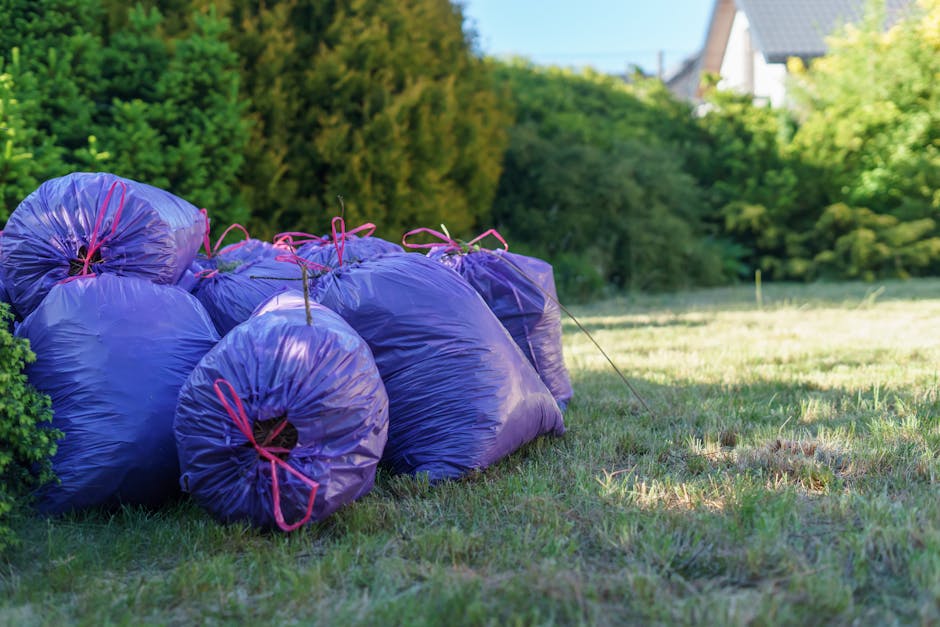
Here is a realistic example from the sort of job many homeowners recognise. A family in a typical Bickley property spent a wet Sunday cutting back a hedge that had grown a bit too enthusiastic. By the end of the afternoon they had three bags of trimmings, a stack of branches, a pile of ivy, and a couple of broken plant pots that had been hiding in the border for months.
At first, they planned to leave it by the gate and slowly chip away at it over the week. But once the rain started and the bags got heavier, the whole thing turned into one of those jobs that hangs over you. They booked a collection instead. The key thing was not the speed alone; it was the relief of having the access cleared and the garden back to normal before Monday morning.
A small detail made the difference. They had separated the green waste from the broken pots and old timber. That meant the load was easier to assess, easier to move, and easier to deal with. No drama, no guessing, just a cleaner result.
A few days later the garden felt different. Not redesigned, not magically transformed, just easier to enjoy. The patio was visible again. The path felt wider. The air even smelled a bit fresher once the damp cuttings were gone. Small win, but a real one.
Practical Checklist
Use this quick checklist before booking or carrying out a garden waste clear-up:
- Have you separated green waste from rubble, timber, and household rubbish?
- Have you checked for thorny, heavy, or awkward items?
- Is the access route clear from the garden to the collection point?
- Do you know roughly how much waste there is?
- Have you removed anything you want to keep, like pots or tools?
- Have you decided whether the job is small enough for a bin or too bulky for that?
- Have you checked whether the provider can handle mixed garden material?
- Do you know when the waste needs to be collected by?
- Have you thought about whether the garden project links to broader clearance work?
- Are you happy with how the waste will be handled afterwards?
If you tick most of those off, the rest usually falls into place. Nothing glamorous, but it works.
Get a free quote today and see how much you can save.
Conclusion
Garden waste removal in Bickley and Bromley Common homes is really about keeping outdoor spaces practical, safe, and pleasant to use. Whether you are clearing a few bags after a weekend tidy-up or dealing with a far bigger mess after months of growth, the right approach saves time and makes the job feel manageable instead of endless.
The best results come from simple preparation: separate the waste, know what you have, choose the right method, and check how it will be handled. That is the whole game, more or less. Not complicated, just easy to get wrong when you are tired and staring at a pile of branches.
Do it well, and the garden stops being another chore hanging over you. It becomes what it should have been all along: a space to enjoy, breathe in, and actually use.


 Tipper Van - Rubbish Removal and Loft Clearance Prices in Bromley, BR1
 Luton Van - Rubbish Removal and Loft Clearance Prices in Bromley, BR1
